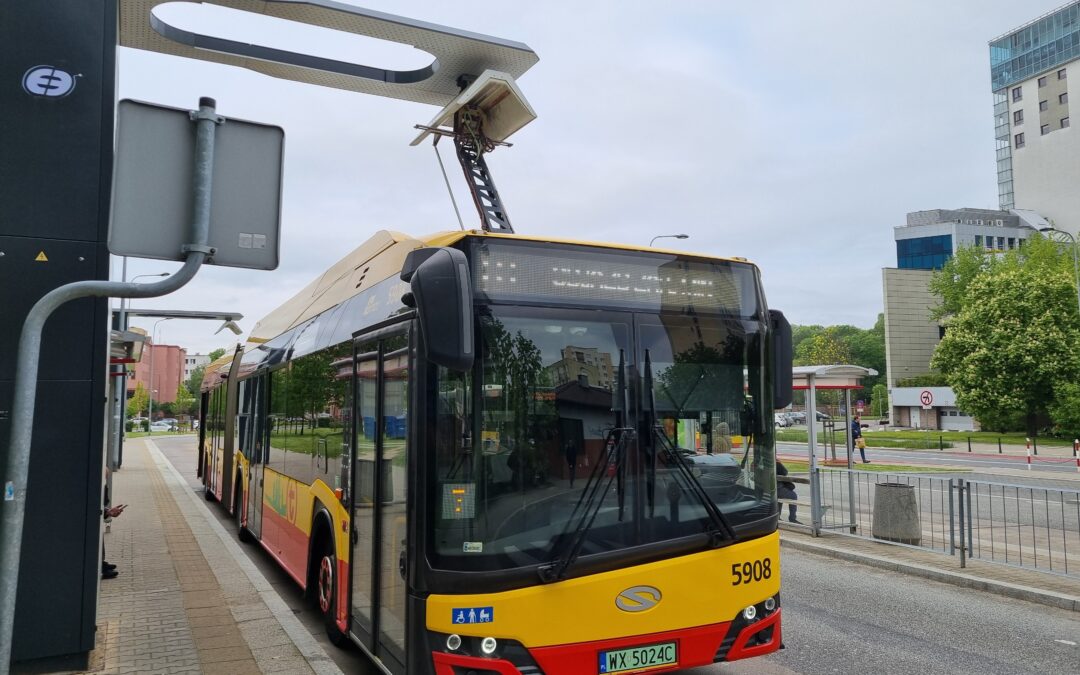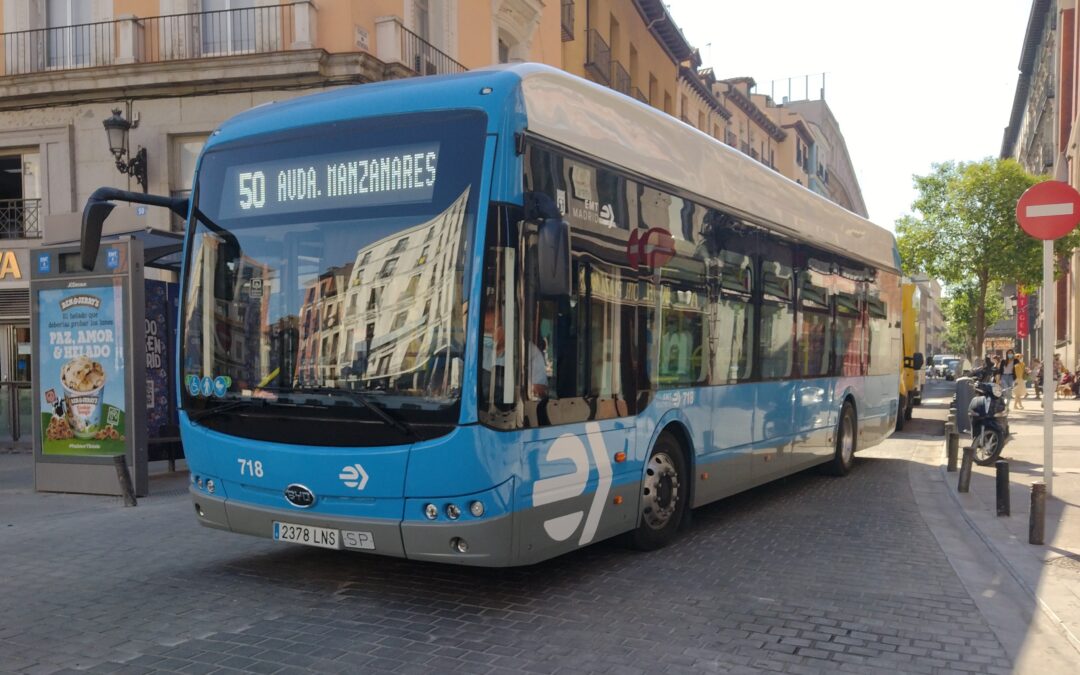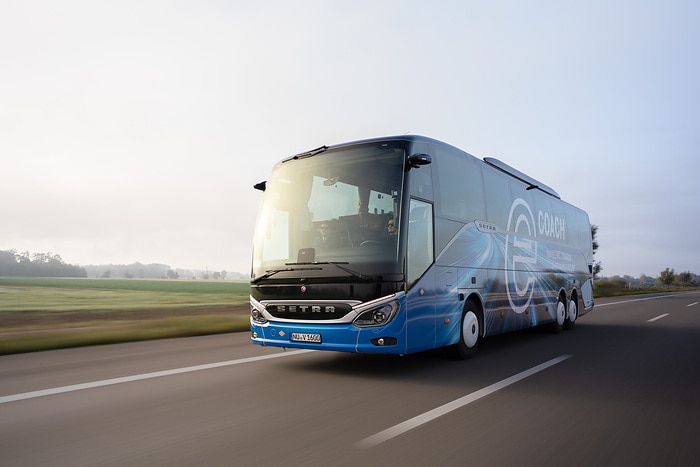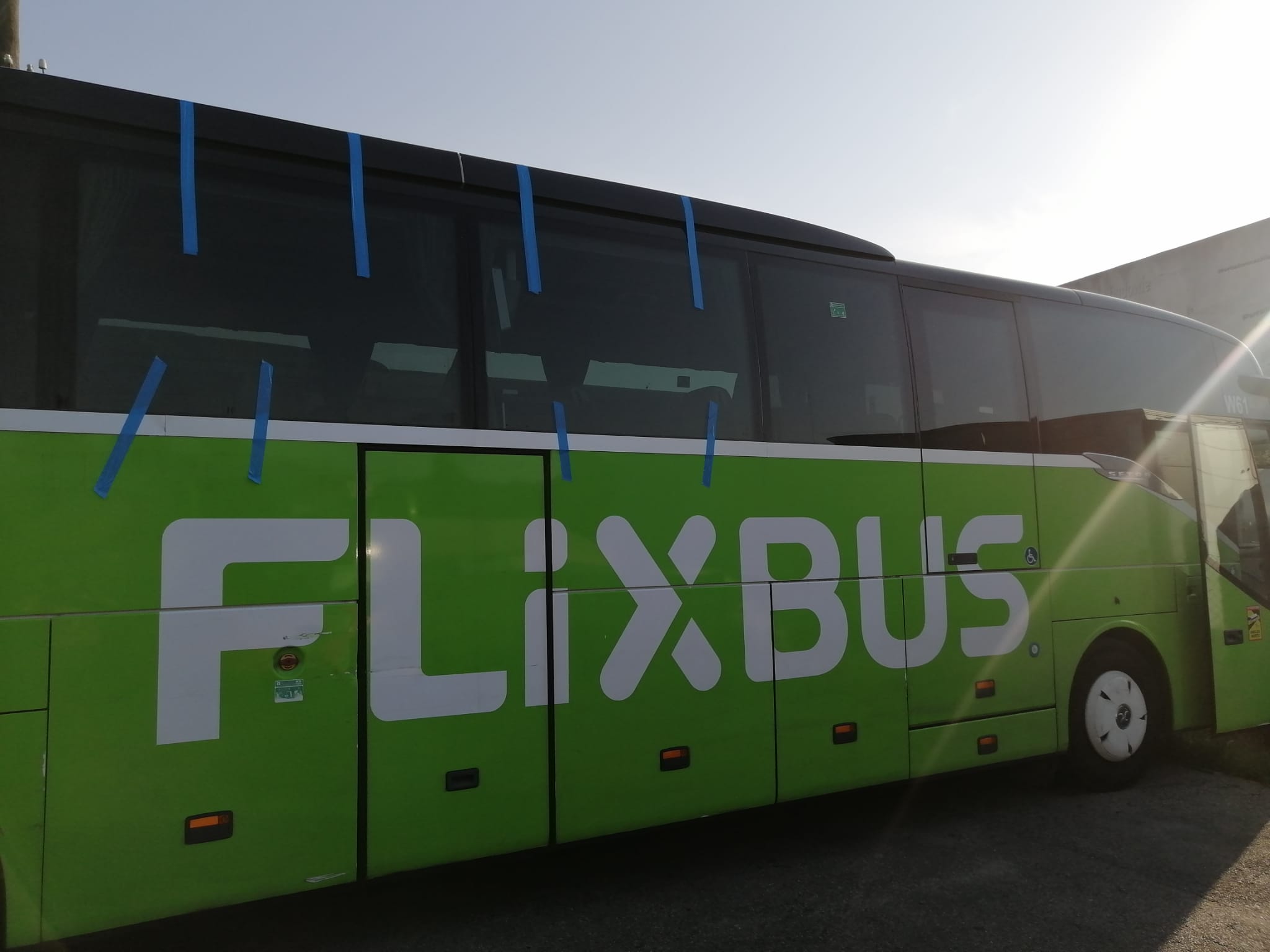
Lead photograph: coach side glazing, shown as operational context for the regulation explainer. Photo: publisher’s archive.
Three UN Regulation No. 43 files discussed in 2026 concern different questions: glazing in automated-driving vehicles, transparency through windscreens and front side windows, and the terminology used for an optical-distortion test. Their technical substance and procedural stages matter more than the similarity of their “Supplement 13” headings.
Three distinct proposals — and their status
Automated-driving vehicles (GRSG/2026/2): The Netherlands proposed adapting UN R43 for vehicles with automated driving systems, including vehicle categories without a conventional human driver or manual controls. The January working paper discussed how glazing and light-transmission provisions would apply to those configurations. The proposal was subsequently revised; the related WP.29/2026/106 text is recorded as adopted at the 199th WP.29 session in June 2026. This is a procedural development, not evidence that ordinary bus windscreens may disregard their applicable approval requirements.
Transparency and privacy films (GRSG/2026/20): A separate Dutch submission addressed the interpretation of glazing-transparency requirements when a pane is viewed from inside or outside a vehicle. The concern included privacy films on windscreens and front side windows. The original January paper was superseded, and a Netherlands workshop reported to the September–October GRSG session on visibility and reflection questions. These issues should not be confused with the automated-driving proposal.
Optical distortion terminology (GRSG/2026/32): CLEPA’s July corrigendum proposed correcting the words “Optional distortion” to “Optical distortion” in paragraph 8.2.1.1’s table of safety-glazing tests. This concerns the wording of a test description; it is not, on its own, an announcement of a new windscreen test procedure.
The documents are at different procedural stages. A working-party submission is not binding law, and even a WP.29 adoption must be checked against the resulting treaty notification, entry-into-force date and the rules applicable in the relevant market. The source list below links to the meeting papers and the subsequent document history.
What this means for type approval and repair
UN R43 governs safety-glazing materials and their installation in vehicles, including windscreens and other panes. Approval characteristics differ by glazing type and installed location; a supplier therefore needs the correct applicable approval evidence for the actual component and vehicle.
For aftermarket distributors, the practical issue is traceability. A part number must connect to a verified type of glazing, its approved application and the correct vehicle variant. Where a supplier proposes an equivalent component, a clear evidence trail is essential. Visual similarity or matching external dimensions alone is not a sufficient certification method.

Do operators or installers need to act immediately?
Not on the basis of these proposal titles alone. No general instruction to replace previously approved bus glass, change adhesive practice or halt vehicle operation follows from the appearance of the working documents. A compliance response requires an identified adopted provision, effective date and affected vehicle or glazing category. Day-to-day replacement guidance is covered separately in the Journal’s maintenance article.
How to verify the final legal status
Begin with the 131st and 132nd GRSG session pages. Compare the listed proposals with the adopted meeting reports and subsequent WP.29 and treaty notification records. In particular, WP.29/2026/106 is recorded as adopted by WP.29 in June 2026, but adoption at that level must not be confused with verified entry into force or applicability in a particular national approval system.
What fleet operators should take from this
For routine coach and bus glass replacement, these files do not establish a blanket instruction to replace existing panes or change adhesive practice. The concrete developments concern glazing rules for automated-driving configurations, interpretation of transparency and a correction to an optical-distortion test label. Actual vehicle applications must be assessed against the final applicable regulation and the relevant type approval.
Sources
- UNECE — GRSG 131st session and working documents (April 2026)
- UNECE — GRSG 132nd session and documents (September–October 2026)
- GlobalAutoRegs — 2026 UN R43 document history, proposal summaries and reported WP.29 status
- European Commission — proposed EU position on WP.29 decisions, including UN R43 / WP.29/2026/106
- UNECE — CLEPA proposal for corrigendum to UN Regulation No. 43 (July 2026)